A First-Time Visitor’s Unhurried Theatre Evening
Plan a first-time visitor’s unhurried theatre evening with a manageable show, a calm arrival and room to reflect afterwards, without turning it into a test.
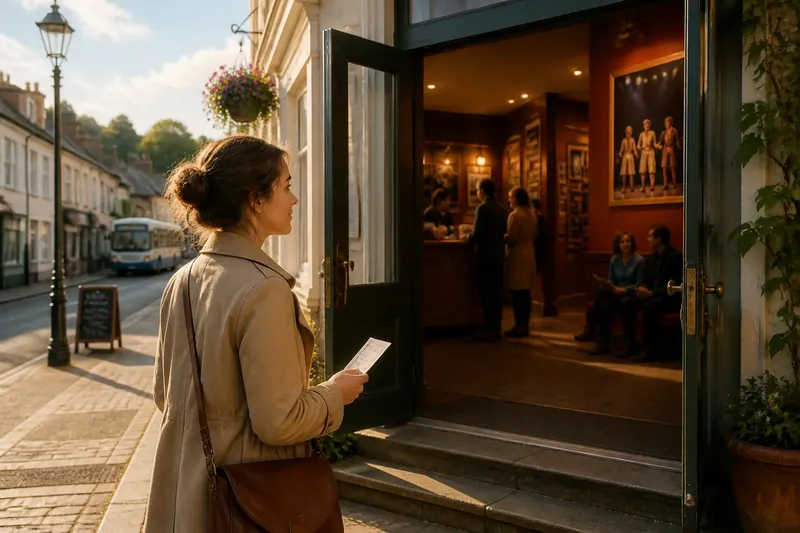
The most common mistake on a first theatre visit is trying to make the evening impressive: choosing a long, unfamiliar production, rushing across town and expecting to understand every choice on stage. That can leave you tired before the performance begins. A first-time visitor’s unhurried theatre evening works better when you choose one local show, make the practical parts easy and leave a little room around the event.
How do I choose a first local performance?
Choose a performance whose subject, length and setting sound manageable to you, rather than one that seems important to see. A local theatre’s listing usually gives the essentials: the title, a short description, running time, venue, performance dates and any access information. Read those details before you buy a ticket, then ask yourself whether the evening suits your interests and energy.
If you like live music, a play with songs may feel like an inviting start; if you prefer a clear story, look for a listing that explains the premise plainly. You do not need to know the source material or recognise the playwright. A familiar subject can be comforting, but curiosity about an unfamiliar one is a good reason to go too.
Consider the venue as part of the choice. A community hall, studio or converted room may feel more informal than a large auditorium, but each space has its own seating, entrance and facilities. Check the venue’s own information if you want to know about step-free access, hearing support, relaxed performances or nearby public transport.
Keep the decision small: pick one performance, not a whole season. That gives you a clear plan without turning an enjoyable outing into a commitment to become an expert theatre-goer.
What should I check before booking?
Check what matters to your comfort and schedule before choosing a seat. The date and start time are obvious, but the listing may also mention an interval, latecomer policy, age guidance or content information. If anything is unclear, contact the venue rather than trying to infer its arrangements.
Look at the seating plan if one is available. A seat near an aisle can make arrival and leaving feel simpler; a central seat may suit someone who wants to focus on the stage without turning towards the action. There is no universally best place. Choose a position that feels comfortable for your own needs and budget.
For a small venue, the ticket page may not show a conventional map. The front row might be close to the performers, and seats may be arranged differently from one event to another. If closeness or visibility concerns you, ask the box office what the seating is like for that particular performance.
Save the ticket confirmation somewhere you can find it, and note the venue address separately from the company name. Local productions sometimes use a school hall, arts centre or borrowed room rather than a dedicated theatre building. Checking the exact entrance prevents a needless search when you arrive.
How early should I arrive?
Allow enough time to find the entrance, collect a ticket if needed and settle without hurrying. The right margin depends on the venue and your journey, so use the stated doors and start times as your guide. If you are travelling by bus or train, check the return options as well as the outward journey.
Arriving early does not mean you need to fill the time with theatre-related activity. You can wait in the foyer, look at the space, use the facilities or sit quietly. If the venue has no public waiting area, plan a nearby café or covered spot where you can pause before doors open.
Keep your arrival routine simple. Have the ticket ready, switch your phone to silent before the performance begins, and take only what you are comfortable carrying. A coat or small bag may need to stay on your lap if there is no cloakroom, so check the venue’s guidance if you are unsure.
Think of the evening like carrying a cup of tea across a room: a steady pace is more useful than trying to move quickly while keeping everything in order. Give yourself enough time to be present when you take your seat.
What happens once I’m inside?
Follow the front-of-house team’s directions and take your seat when the auditorium opens. If you are uncertain where to go, ask a steward; helping visitors find their seats is part of the job. You do not need to know theatre etiquette in advance to behave considerately.
During the performance, quiet attention is enough. Keep conversation for the interval or afterwards, avoid blocking someone’s view, and follow any request about photography or phones. Applause is welcome when it feels natural to you, but you are not required to copy every response around you.
It is normal not to catch every line or understand every staging choice. A performance can invite different responses, and you are allowed to enjoy the sound, movement or atmosphere without deciding what each part means. If you lose track of the plot, watch what the performers do next and let the scene continue.
If you need to leave your seat, take care not to disturb others and follow the venue’s arrangements. For a planned access need, contacting the venue beforehand can help staff explain suitable seating or entry options. Follow the venue’s instructions and any relevant local requirements, since arrangements vary between spaces.
How can I make the interval feel relaxed?
If there is an interval, use it for whatever helps you feel comfortable: a drink, a stretch, the toilet or a quiet moment away from the crowd. You do not have to discuss the first half or read every notice on the wall. The pause is part of the evening, not a quiz about what you have seen.
For a short interval, it can help to decide before you leave your seat whether you want refreshments or simply a break. If you are unsure whether the production has an interval, check the listing or ask a member of staff. Some performances continue without one, and the venue can tell you what to expect.
Say you choose a small-town production with a short interval and a bus to catch afterwards. You could check the return timetable before leaving home, arrive with enough time to settle, and use the pause for a drink rather than queuing for several things. The observable result is a plan that leaves you less rushed, without needing to predict whether you will love the show.
What should I ask myself after the performance?
Start with what you noticed, not whether you liked the production “correctly”. You might remember a performer’s voice, a change in lighting, a moment of laughter or the way the audience fell quiet. One detail is enough to give the evening a shape in your memory.
If you are with someone, ask what stayed with them and listen for the difference between your responses. If you came alone, you can simply walk for a few minutes, make a note on your phone or head home. There is no need to produce a polished opinion on the spot.
Should you want context later, check the theatre company’s website or programme for information about the makers and the production. That can deepen your understanding, but it is optional. Avoid treating a programme note as the single correct explanation of what you saw.
Do I need to understand every part of a play?
No. It is fine to follow the broad situation, enjoy particular moments or find that a scene remains puzzling. You can make sense of a performance gradually, and a question left open may be part of what you remember.
What if I arrive after the performance has started?
Speak quietly to a front-of-house staff member and follow their directions rather than entering on your own. Some venues hold latecomers until a suitable pause, while others have different arrangements, so staff can explain what is possible.
Can I attend a local performance by myself?
Yes. Choose a venue and journey that feel comfortable, and decide in advance how you will get home. Once seated, you can focus on the performance without needing to keep conversation going.
What if I don’t enjoy the show?
You can leave with a mixed response and still have had a worthwhile evening. Notice what did or did not suit you, such as the subject, pace or venue, and use that information when choosing another local performance.
How can I keep the evening low-pressure?
Give the evening a simple boundary: one performance, a workable journey and no obligation to analyse it afterwards. A first-time visitor’s unhurried theatre evening is not a test of taste; it is an opportunity to spend time with a live performance and decide what, if anything, you would like to see next.
Before you book another show, let this one settle for a day. A small note about what felt comfortable can be more useful than a grand verdict, and it gives your next choice a clear starting point.